
Digital Invoicing
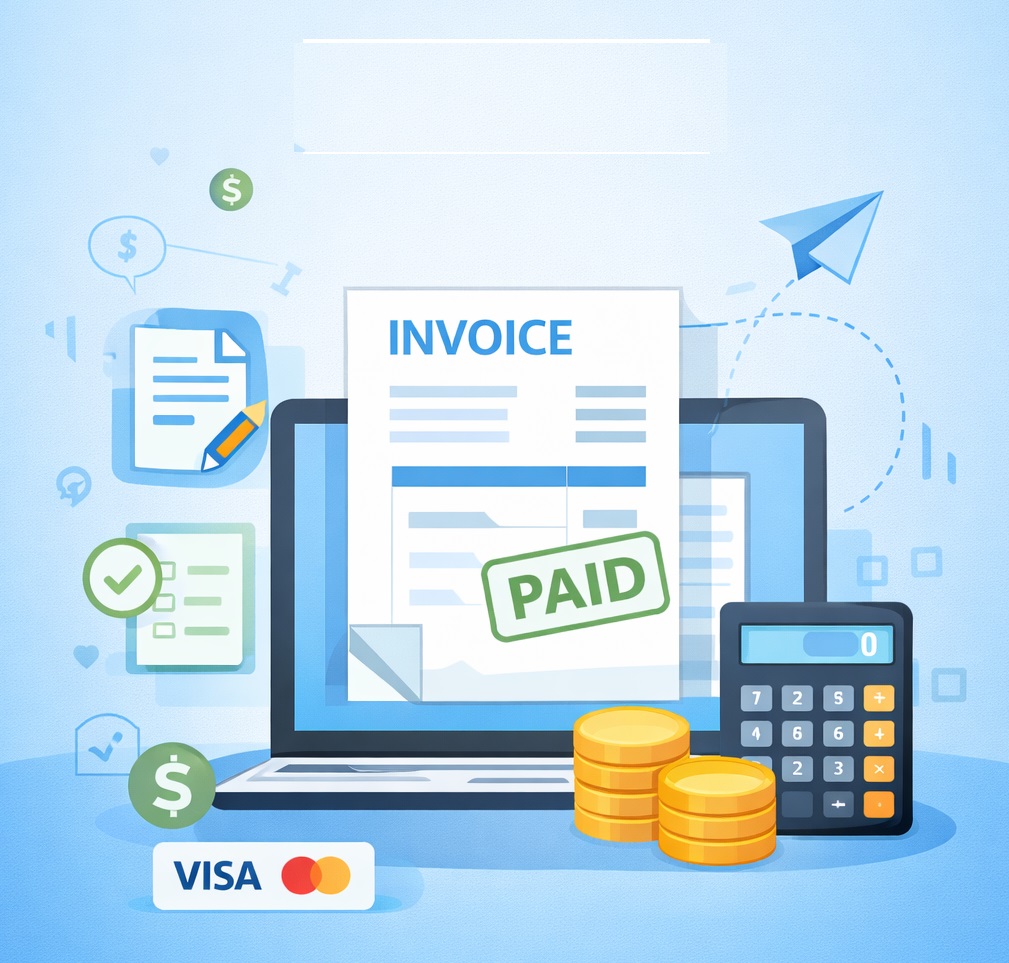
Aamir Rasheed & Co. presents Digital Invoicing, an intuitive invoicing support tool meticulously crafted to streamline and simplify all Invoicie concerns in Pakistan.
What is FBR Digital Invoicing?
A digital invoice (also called an e-invoice) is an electronic document that records a sales transaction and is automatically transmitted to the FBR in real-time. Unlike traditional paper invoices or simple PDF invoices, a compliant digital tax invoice under FBR’s system contains:
- A unique FBR Invoice Reference Number (IRN).
- A verifiable QR code for instant authenticity verification.
- Real-time integration with FBR’s central database.
- Complete tax calculation details.
- Secure encryption to prevent tampering.
How the FBR Digital Invoicing System Works
The FBR electronic invoicing system operates on a centralized clearance model:
1. Generation: Business creates an invoice in their ERP or accounting software.
2. Transmission: Invoice data is sent electronically to FBR’s central portal via API integration.
3. Validation: FBR’s system validates the invoice in real-time and assigns a unique IRN.
4. Return: A digitally signed invoice with a QR code is returned to the seller.
5. Verification: Buyers can scan the QR code to verify authenticity instantly.
6. Archiving: Invoice data is automatically stored in FBR’s secure database for audit trails.
The entire process takes seconds, ensuring every transaction is immediately visible to tax authorities.
- Section 50 of the Sales Tax Act, 1990.
- Chapter XIV-A (Rules 150Z to 150ZH) of the Sales Tax Rules, 2006.
- Various Statutory Regulatory Orders (SROs) including SRO 709(I)/2025 and SRO 1413(I)/2025.
- Tier-1 Retailers: Chain stores, businesses in air-conditioned malls/plazas, wholesalers-cum-retailers, and retailers with high electricity bills
- Manufacturers & Importers: Dealing in goods liable to sales tax
- Distributors & Wholesalers: Of taxable goods as notified by FBR
- Large Taxpayer Units (LTUs): Already in the first phase of compliance
- FMCG Sector: Manufacturers and distributors of fast-moving consumer goods
- Pharmaceutical Companies: Required under the healthcare sector mandate
- Textile Industry Businesses: One of Pakistan’s largest export sectors
- Service-Based Businesses: IT firms, consultancies, and other service providers registered with FBR
- Importers and Exporters: Targeted to close cross-border tax leakages
How to Register for FBR Digital Invoicing: Step-by-Step Guide
- Pakistan Revenue Automation Limited (PRAL) – the primary government integration partner.
- Licensed private integrators such as Haball, TMRC, and others approved by FBR
- Generates invoices in FBR’s specimen format
- Includes official FBR logo and unique invoice numbers
- Produces verifiable QR codes
- Provides real-time integration with FBR through a licensed integrator
- Supports JSON format for data transmission
- Automatically calculates sales tax based on customer and product type
- Computes further tax for unregistered persons
- Handles advance income tax under sections 236G and 236H
- Manages Federal Excise Duty in sales tax mode
- Customer and vendor management
- Inventory tracking with HS codes
- Purchase invoice management
- Sales returns processing
- Robust reporting and analytics
FBR POS System vs Digital Invoicing: Key Differences
Feature
FBR POS System
FBR Digital Invoicing
Benefits of Digital Invoicing Integration
For Businesses
-
Enhanced Compliance:
Streamlined processes and real-time reporting lead to better tax compliance
-
Reduced Errors:
Automated calculations eliminate manual mistakes
-
Faster Refunds:
Verified data enables quick refund processing
-
Improved Credibility:
FBR-verified invoices build trust with clients and financial institutions
-
Better Cash Flow:
Real-time invoice tracking improves receivables management
-
Audit Readiness:
Complete digital trail simplifies tax audits
-
Access to Finance:
Banks use digital invoice data to assess creditworthiness
For the Tax System
-
Tax Evasion Prevention:
Every transaction is recorded in real-time
-
No Fake Invoices:
Real-time validation eliminates fraudulent input tax claims
-
Real-Time Economic Visibility:
FBR gains instant insights into economic activity
-
AI-Powered Audits:
Enables risk-based, faceless audits for transparency
Penalties for Non-Compliance
For IT teams handling FBR integration, here are key technical specifications:
- API Format: FBR supports JSON and XML invoice formats for real-time transmission
- Digital Signature: FBR digitally signs invoices during clearance (issuers don’t need their own certificates) QR Code: Every invoice must have a scannable QR code (version 2.0) with encoded IRN
- ERP Compatibility: SAP, Oracle, Microsoft Dynamics, QuickBooks, and approved local ERPs are compatible
- SAF-T Compliance: Businesses must provide data in Standard Audit File for Tax (SAF-T) format when required
- Archiving: All invoices must be stored for a minimum of **six
ABOUT ARC.
SERVICES CATEGORIES
- Audit and Assurance
- Direct and Indirect Taxes
- Financial and Other Business Consultancy
- Due Diligence Reviews
- Mergers, Acquisitions and Valuations.
- Services to NGO's
INDUSTRIES
- Textile and garments
- Chemicals
- Charities and NGOs
- Construction and Engineering
- Distribution and Retailers
- FMCGs and Food,
- Health care & Hospitals
- Educational Institutions
CONTACT INFO
- 0092-300-8422327
- Office No F3, Sea Breeze Home, Sher Shah Block New Garden Town Lahore Pakistan.
- ar@aamirrasheed.com